Carpet Stretching in Toronto
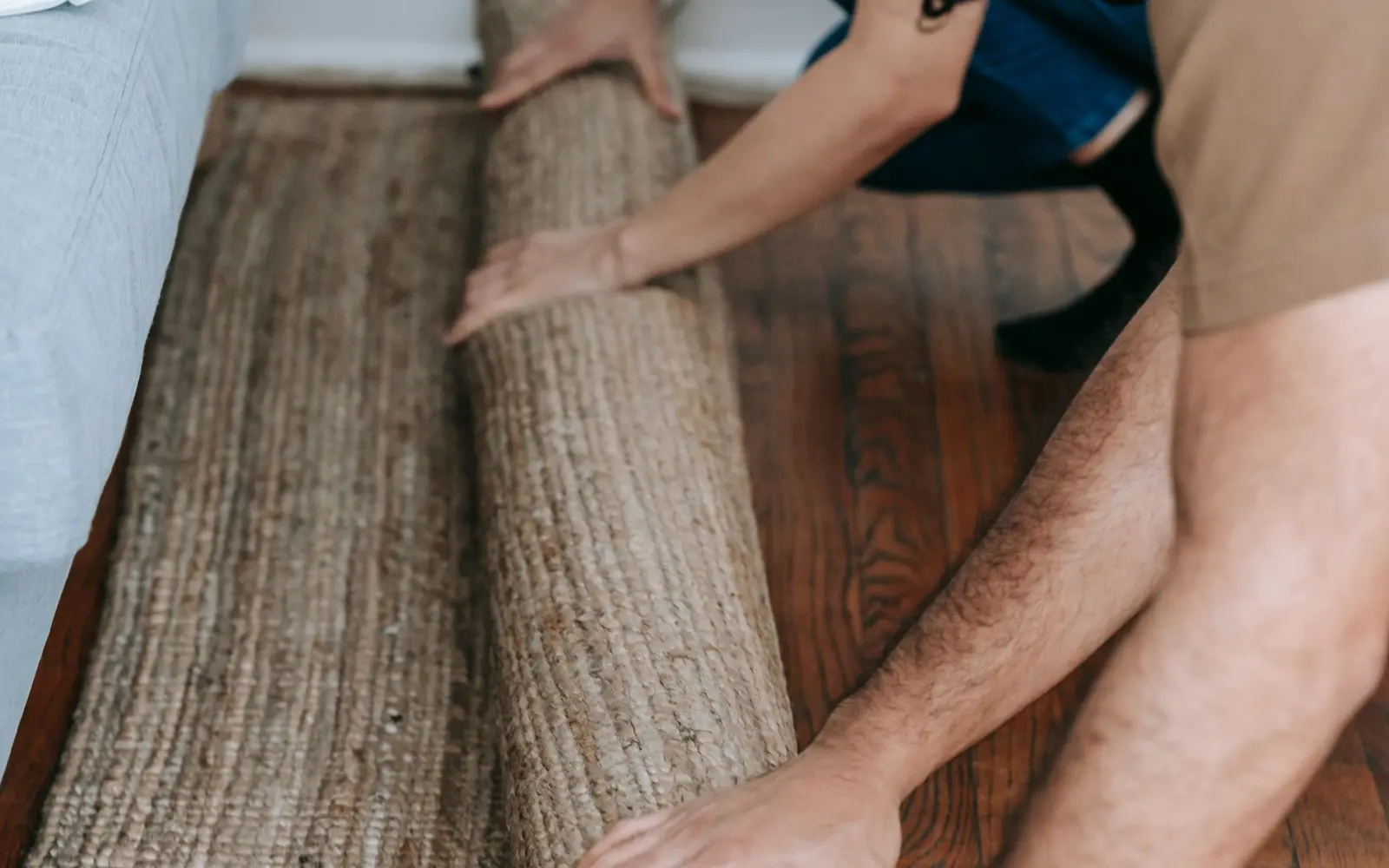
If your carpet has started to wrinkle, ripple, or develop a raised area in the middle of the room, you may not need new carpet.
In many cases, the carpet has lost tension and can be re-stretched and secured again. The important question is why the carpet became loose and whether the carpet itself is still in good condition.
Stretching can be a practical repair when the carpet and its backing remain sound. It will not correct severely worn carpet, failed backing, deteriorated padding, or unresolved water damage.
Why Does Carpet Start to Wrinkle?
Carpet is installed under tension and secured to tack strips around the perimeter of the room. When that tension is lost, the carpet can develop waves, ripples, or wrinkles.
There are several possible reasons:
- The original installation did not establish enough tension
- Carpet has gradually loosened over time
- Frequent foot traffic has contributed to movement
- Furniture has been moved or dragged across the carpet
- The perimeter fastening has a problem
- Damage or deterioration has affected the carpet or materials underneath
The appearance of the wrinkle does not necessarily tell you which of these is responsible.
That is why the carpet should be inspected before deciding on a repair. The installer may need to look at the carpet, backing, edges, seams, tack strips, underpad, and floor underneath.
When Does Carpet Stretching Make Sense?
Re-stretching is generally worth considering when the carpet is otherwise in good condition and loss of tension is the main problem.
For example, stretching may be appropriate when:
- The fibres are still in reasonable condition
- The backing remains intact
- The carpet is not badly worn
- The seams are holding
- The underpad is still usable
- The main problem is rippling or looseness
For larger re-stretching jobs, installers commonly use a power stretcher to apply controlled tension across the carpet. The carpet is released from the tack strips where necessary, stretched back into position, and secured again.
The amount of tension matters. Too little may leave wrinkles behind, while excessive force can damage carpet or its backing. Proper equipment and technique help the installer control the process.
When Is Stretching Not Enough?
Stretching addresses loss of tension. It does not restore carpet that has already suffered significant physical deterioration.
Replacement or another type of repair may be more appropriate when the carpet has:
- Severe fibre wear
- Large tears
- Burns
- Extensive staining
- Damaged or deteriorating backing
- Widespread deterioration
Localized damage does not automatically mean the entire carpet needs to be replaced. Depending on the carpet and the extent of the damage, a repair may be possible.
The condition of the existing carpet matters more than its age alone. An older carpet with intact backing and relatively good fibres may still be a reasonable candidate for stretching.
Carpet replacement service in Toronto
Why Power Stretching Matters
A carpet that has developed substantial wrinkles needs more than someone simply pulling the material tight by hand.
A power stretcher allows the installer to apply controlled tension over a larger area before the carpet is secured to the tack strips.
A knee kicker has a different purpose and can be useful for positioning carpet in certain situations, but it does not provide the same type of long-range tension as a power stretcher.
The appropriate equipment depends on the job, but substantial re-stretching should be approached as an installation repair rather than simply trying to flatten the visible wrinkles.
What Happens During a Carpet Re-Stretch?
The exact process depends on the room and the condition of the carpet, but a typical re-stretch involves several steps.
1. Inspect the carpet
The installer identifies the loose areas and checks the carpet’s condition, including the backing, seams, edges, and surrounding floor where necessary.
2. Clear access
Furniture or other objects that prevent access to the affected carpet may need to be moved.
3. Release the carpet
The carpet is released from the tack strips where required.
4. Stretch the carpet
Appropriate stretching equipment is used to restore tension and remove slack.
5. Re-secure the edges
The carpet is secured to the tack strips again.
6. Trim excess material
Excess carpet around the perimeter can be trimmed as necessary.
7. Inspect the finished surface
The installer checks for remaining wrinkles, loose sections, and problems around seams and edges.
The amount of work can vary considerably. A small bedroom with clear access is very different from several rooms with widespread rippling, furniture, damaged edges, or seam problems.
Carpet Seams Are a Separate Issue
A wrinkle and a failed seam are not the same problem.
A seam is where two pieces of carpet meet. If the adhesive or seam tape has failed, the sections can begin to separate.
Stretching alone will not repair a failed seam. In fact, putting additional tension on a damaged seam without addressing the seam itself can make the problem worse.
Depending on the construction and condition of the carpet, seam repair can involve lifting the affected sections, repairing the seam, aligning the carpet correctly, and re-stretching the surrounding area.
If you have both wrinkles and a separating seam, mention both when requesting a quote. They may require separate parts of the repair.
What About Carpet Padding?
The padding, or underpad, sits underneath the carpet. It affects how the floor feels and provides support beneath the carpet.
Over time, underpad can become compressed, particularly in heavily used areas. It can also deteriorate after exposure to moisture.
Stretching the carpet does not restore damaged or badly compressed padding.
If the underpad needs to be replaced, the carpet normally has to be lifted, the old material removed, and the new pad installed before the carpet is put back and stretched.
If the carpet looks reasonably good but a room feels unusually hard or uneven underfoot, the underpad is worth checking.
Carpet padding installation in Toronto
What If the Carpet Has Water Damage?
Water damage requires a different approach.
If carpet has been affected by a plumbing leak, flooding, basement moisture, or another source of water, the first question should not be whether it can be stretched.
The source of the moisture and the condition of the affected materials need to be assessed first.
Water can affect:
- Carpet backing
- Underpad
- Tack strips
- Subfloor or other flooring underneath
Whether those materials can be kept depends on the extent of the exposure, the type of water involved, and how quickly the affected area was addressed.
Stretching does not solve a moisture problem. If there has been significant water exposure, the carpet assembly should be assessed before deciding whether stretching, repair, or replacement is appropriate.
How Much Does Carpet Stretching Cost in Toronto?
There is no single price that applies to every carpet stretching job.
The cost can depend on:
- Size of the area
- Number of rooms
- Amount of carpet that needs to be released and stretched
- Accessibility
- Furniture that needs to be moved
- Condition of the carpet
- Loose or damaged edges
- Seam repairs
- Other carpet repairs
- Underpad work
A simple re-stretch in an accessible room is different from a larger job involving multiple rooms or additional repairs.
When comparing quotes, make sure you understand the scope of work. Ask whether furniture moving, seam repairs, trimming, disposal, and other work are included or charged separately.
A written quote that clearly explains what will be done is more useful than a price with no defined scope.
The Carpet Experts Toronto cost calculator can provide a starting point for carpet project costs, but the actual requirements of a stretching job depend on the condition of the carpet and the amount of work involved.
Stretching or Replacing the Carpet?
Start with the condition of the carpet rather than the wrinkles themselves.
| Carpet condition | Likely approach |
|---|---|
| Carpet is in good condition but has wrinkles | Re-stretching may be appropriate |
| One area has become loose | Local repair or stretching may be possible |
| Carpet has wrinkles and a failed seam | Stretching plus seam repair |
| Carpet is sound but the padding is worn | Replace padding and re-stretch |
| Fibres are heavily worn | Consider replacement |
| Carpet is torn or burned | Repair or replacement depending on the damage |
| Carpet has been exposed to water | Assess the damage before deciding |
| Older carpet is still in good condition | Have it inspected before replacing it |
Age by itself does not mean carpet needs to be replaced. If the carpet still has good fibres and intact backing, stretching may be a reasonable option.
On the other hand, re-stretching carpet that is already badly worn may only postpone a replacement that is ultimately needed.

Questions to Ask a Carpet Installer
Before agreeing to the work, ask the installer what they believe is causing the wrinkles and whether the carpet is suitable for re-stretching.
Useful questions include:
- Is the carpet backing in good enough condition to stretch?
- Are the tack strips still usable?
- Are any seams starting to fail?
- Is the padding still in good condition?
- Does anything suggest previous water damage?
- What stretching equipment will be used?
- Does the quoted price include furniture moving?
- Are seam repairs or other repairs included?
- What happens if the wrinkles return?
The answers should tell you whether you are dealing with a straightforward re-stretch or a larger carpet repair.
Frequently Asked Questions
Can carpet stretching remove wrinkles?
Yes, when the wrinkles are caused by loose carpet and the carpet is otherwise in suitable condition. Stretching will not correct severely worn fibres, failed backing, or other unrelated damage.
Does wrinkled carpet need to be replaced?
Not necessarily. Wrinkles can be caused by loss of tension, and sound carpet may be able to be re-stretched rather than replaced.
Can older carpet be stretched?
Sometimes. Age is less important than the condition of the carpet, backing, seams, and underpad.
Can stretching repair a separated seam?
No. A failed seam needs to be repaired separately. The surrounding carpet may also need to be re-stretched.
Does furniture have to be removed?
Furniture that prevents access to the carpet generally needs to be moved. The amount of furniture involved can affect the time and cost of the job.
Can wet carpet be stretched?
Water-damaged carpet should be assessed before stretching. The carpet, backing, underpad, tack strips, and floor underneath may require attention.
What if the wrinkles come back?
If wrinkles return after stretching, the cause should be investigated rather than simply repeating the same repair. The installer may need to check the carpet, tack strips, seams, underpad, or conditions underneath the carpet.
The Bottom Line
Wrinkles are a sign that something has changed, but they do not automatically mean the carpet needs to be replaced.
If the carpet is still in good condition and has simply lost tension, professional re-stretching can restore a flat, usable surface. If the carpet has badly worn fibres, damaged backing, failed seams, deteriorated padding, or significant water damage, another repair or replacement may be more appropriate.
The best approach is to inspect the carpet first, identify the actual problem, and then repair the component that needs attention.