Condo Carpet Installation in Toronto: What You Need to Know
Replacing carpet in a Toronto condo is usually a straightforward flooring job. The part that can make it more complicated is the building.
Unlike a house, you are working within a property with shared hallways, elevators, loading areas, and building rules. Your condo may require a renovation application, contractor insurance, an elevator booking, specific working hours, or particular flooring and underlay.
Those requirements are not the same in every building. Before you book an installer, check with your property manager or concierge and find out what applies to your unit.
Before You Book the Installation
A quick call to property management can save you from having to reschedule the job later.
Ask about these items:
| What to check | Why it matters |
|---|---|
| Renovation approval | Some buildings require approval before flooring work starts |
| Contractor insurance | The building may require a certificate of insurance before the crew can enter |
| Elevator booking | Carpet rolls, tools and removed flooring may need to use a service elevator |
| Working hours | The installation may have to take place during specific hours |
| Loading access | The installer may need somewhere to unload carpet and equipment |
| Flooring requirements | Your building may have rules concerning flooring or underlay |
| Disposal | Old carpet and renovation debris may have to leave through a particular route |
| Deposits or fees | Some buildings charge deposits or administrative or elevator fees |
You do not necessarily need to arrange all of this yourself. The important thing is knowing what the building expects and giving that information to the flooring company before the installation is scheduled.

Does a Toronto Condo Require Approval to Replace Carpet?
It depends on the building.
Some condo corporations treat flooring replacement as ordinary interior maintenance. Others require an alteration or renovation application, particularly where flooring changes could affect noise or involve other building requirements.
Ask your property manager before ordering materials.
A simple question is usually enough:
“I’m replacing the carpet inside my unit. Do I need approval or any paperwork before the work starts?”
If there is an application, ask how long approval normally takes and whether the flooring contractor needs to provide any documents.
It is better to find this out before the carpet arrives rather than after the installation date has been booked.
Does the Installer Need Insurance?
Possibly.
Some condo buildings require contractors to provide a certificate of insurance, commonly called a COI, before they are allowed to perform work or access certain parts of the building.
The important thing is to get the building’s exact requirements first. Do not simply ask a contractor for a generic certificate and assume it will be accepted.
If management gives you specific wording or instructions, send them to the flooring company. The contractor can then arrange the appropriate documentation.
This is one of the easier things to deal with in advance and one of the more frustrating things to discover on installation day.
Booking the Condo Elevator
If you have ever moved furniture into a condo, you probably already know that the elevator can be the part that requires the most coordination.
Carpet rolls are long and awkward to move, and the installer will also have tools and possibly old carpet to remove. Depending on the building, a service or freight elevator may be required.
Before setting an installation date, find out:
- whether a service elevator is required
- how far ahead it must be booked
- which hours contractors can use it
- whether there is a booking fee
- whether a loading area needs to be reserved
- whether the building requires elevator or hallway protection
- where removed carpet can be taken
Give these details to the installer when you request the quote.
The flooring company controls the installation. The condo controls its common areas. Both schedules need to work.
Does the Condo Have Carpet or Underlay Requirements?
This is worth checking before you buy the underlay.
Some buildings have requirements relating to flooring and sound transmission. The building may specify a particular underlay, acoustic performance level, or flooring system.
Do not assume that the thickest or most expensive underlay is automatically the right choice.
Carpet, underlay, and the floor-ceiling assembly work together, so acoustic performance cannot be judged from thickness alone.
If management gives you a specification, send it to the installer before purchasing the materials. The installer can then make sure the proposed carpet and underlay are compatible with the requirement.
If there are no building-specific requirements, the installer can recommend an underlay based on the carpet, room, comfort level, and expected use.
Removing the Existing Carpet
If you are replacing old carpet, removal should normally be discussed when you get the quote.
The job may involve removing:
- the existing carpet
- carpet padding or underlay
- tack strips
- staples or other fasteners
- adhesive or residue that interferes with the new installation
Not every job requires all of these steps.
Once the old carpet is removed, the installer can see the actual condition of the floor. That is when problems that were hidden underneath become apparent.
For example, the installer may find an uneven area, damaged substrate, old adhesive, or another condition that needs attention before the new carpet goes down.
A good quote should make clear what is included and what happens if additional floor preparation is required.
What Happens to the Old Carpet?
Do not put removed carpet beside the condo’s regular garbage unless management has specifically told you that it is permitted.
Renovation waste is often handled differently from ordinary household garbage.
Your building may have a designated disposal area or may require the contractor to remove renovation waste from the property entirely.
This is something worth confirming before the crew arrives. Old carpet takes up considerable space, and leaving it in the wrong area can create a problem for the building.
Also ask whether the building has particular hours or access requirements for removing debris.
Protecting Hallways and Common Areas
The crew will have to move carpet, equipment and removed flooring through areas that belong to the building rather than to your unit.
Depending on the building, that may mean protecting the elevator, hallway flooring, walls, doors or loading area.
The installer should follow the building’s requirements.
Old carpet should also be bundled or otherwise controlled before it is taken through common areas. Dragging loose carpet through a hallway is an easy way to create unnecessary mess or damage.
What Happens on Installation Day?
Once the building requirements are taken care of, the installation itself is fairly conventional.
1. The room is prepared
Furniture is moved according to the scope of work, and the existing carpet is removed if that service was included.
2. The floor is checked
The installer looks at the exposed substrate and identifies anything that needs attention before the new carpet is installed.
3. The underlay is installed
The new underlay is fitted according to the manufacturer’s requirements and any building specifications.
4. The carpet is cut and installed
The carpet is measured and cut to fit the room. Larger areas may require seams.
The carpet is then stretched and secured using the appropriate installation method.
5. Edges and transitions are finished
The installer trims around walls, closets, doorways and other fixed areas.
Where carpet meets another type of flooring, an appropriate transition or finishing detail is installed.
Door clearance should also be checked. Depending on the existing flooring and the new carpet and underlay combination, the finished floor can end up slightly higher.
6. The finished work is inspected
The installer checks the seams, edges, transitions and overall finish before leaving.
Any agreed-upon debris removal should also be completed at this point.
How Long Does It Take?
There is no useful single installation time for every condo.
A straightforward bedroom may be completed in one visit. A larger unit can take longer if it has several rooms, complicated layouts, stairs, multiple seams, extensive removal or floor preparation.
The building’s schedule can matter just as much as the flooring itself.
For example, an installer may be able to complete the physical work in one day, but if the service elevator is only available during a particular window, the crew has to plan around that window.
When booking, ask the installer how long the actual work should take and then check that timing against the building’s access rules.
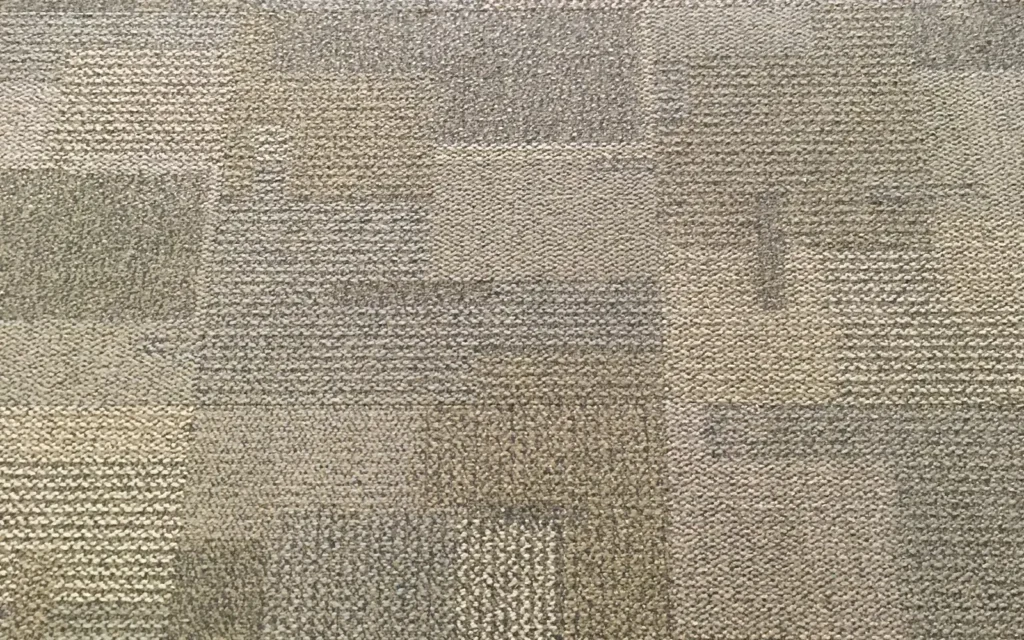
Choosing Carpet for a Condo
The best carpet depends on where it is going and how the room is used.
Bedrooms and living areas
Wall-to-wall carpet is a common choice for bedrooms and living areas. The carpet is installed across the room and secured around the perimeter, with seams where necessary.
Comfort, appearance and expected traffic are usually more important here than simply choosing the most durable carpet available.
Carpet tile
Carpet tile is made from individual sections rather than a continuous roll.
It can make sense in some applications because individual tiles can be replaced, although whether it is appropriate for a residential condo depends on the room and the desired appearance.
Stairs
Carpeted stairs require more detailed measuring and installation than a simple rectangular room.
The installer has to account for each tread and riser, along with the stair edges and the way the carpet is finished.
Higher-traffic areas
If a room gets heavy daily use, the carpet construction should be selected accordingly.
The underlay matters as well. Carpet should be treated as a complete flooring system rather than choosing the carpet first and treating everything underneath it as an afterthought.
How Much Does Condo Carpet Installation Cost in Toronto?
The cost depends on the project, so a square-foot price by itself does not tell you much.
A contractor will generally need to consider:
- the amount of carpet required
- the carpet selected
- underlay
- installation labour
- seams
- stairs or unusual layouts
- removal of existing carpet
- floor preparation
- disposal
There may also be charges from the condo building itself. Depending on the property, these could include an elevator fee, administration fee, deposit or other renovation-related charge.
Those building charges are separate from the flooring contractor’s price.
For an accurate estimate, have the installer measure the space and explain exactly what is included in the quote.
Questions to Ask Your Flooring Installer
Before accepting a quote, ask a few practical questions.
Does the price include removing the existing carpet?
Make sure you know whether removal, padding removal and disposal are included.
Does the price include floor preparation?
Ask what happens if the installer finds an issue after the existing carpet is removed.
Can you provide the condo’s required insurance documents?
If the building requires a COI, give the contractor the building’s instructions before work is booked.
Who is responsible for the elevator booking?
It is worth having one clear answer rather than assuming the other party is handling it.
Can you work within the building’s permitted hours?
The answer matters if the condo has a narrow contractor window.
Can you supply the required underlay?
If the building has a particular acoustic or flooring requirement, give the installer the specification before materials are ordered.
What happens if the scope changes?
Ask how additional floor preparation, damaged substrate or other unexpected work will be priced.
A Simple Pre-Installation Checklist
Before confirming the installation date, make sure you have:
- Checked whether condo approval is required.
- Confirmed the building’s contractor insurance requirements.
- Checked the permitted working hours.
- Confirmed whether the service elevator needs to be booked.
- Asked about loading and parking arrangements.
- Checked for flooring or underlay requirements.
- Confirmed how old carpet and renovation debris must be removed.
- Asked about deposits or building fees.
- Given the building’s requirements to the installer.
- Confirmed what removal, preparation and disposal are included in the quote.
Once those details are sorted out, the actual carpet installation is usually the easy part.
Final Thoughts
Replacing carpet in a Toronto condo is not necessarily more difficult than replacing carpet in a house. There are simply a few more people and procedures involved.
The flooring contractor handles the installation. Property management controls the building’s access and common areas. The owner has to make sure the two sides are coordinated.
The most useful thing you can do is contact your property manager before choosing an installation date. Find out what the building requires, give those requirements to the installer, and make sure the quote covers the work you actually need.
That avoids the most common problems: a missing insurance document, an unavailable elevator, an unsuitable underlay, or a pile of old carpet that nobody arranged to remove.